

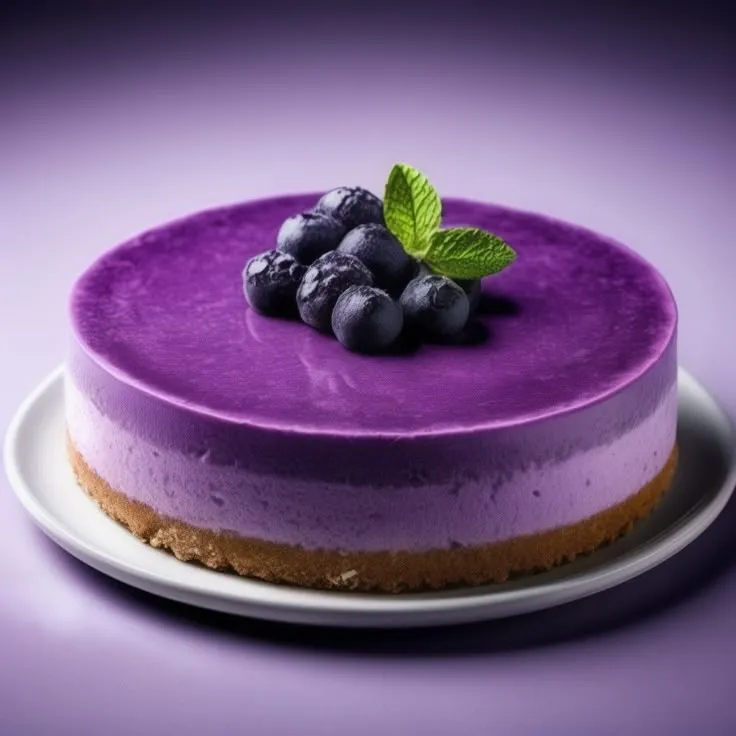
Food manufacturers are becoming more aware that they can get unique visual characteristics in their food products from naturally sourced ingredients. One interesting source is elderberry which has deep color characteristics that can be used in fruit-based and other food formulations. Elderberry Color may be used in beverages, confectionery, desserts, sauces, and specially formulated food products that are red, purple or berry colored to provide a finished product color.
Understanding Elderberry as a Color Source
Anthocyanins are pigments with red, purple and blue coloring that are naturally occurring in elderberries and other fruits and plants. These are natural colors responsible for the deep color of elderberries and can be used to develop a natural food color.
The shade may vary according to the food matrix, acidity, concentration, processing conditions, and food storage conditions. So this can be a benefit for manufacturers to test an elderberry derived ingredient right in the product they would like to produce. Knowing the nature of the ingredient in the finished product can aid in selection of appropriate application methods.
Exploring Different Food Applications
Fruit-inspired colors are desirable for a number of products in which elderberry-derived color can be used. Anything involving beverages is a natural area of interest, especially when there is a concept that is derived from berries or fruit.
Other applications, such as confectionery, desserts, sauces, dairy and selected bakery, can also offer a potential market for this color ingredient. The best application will depend on the desired shade, and on the formulation environment. The manufacturer can establish the desired appearance of the product and then test various concentrations to see which one will best match the desired appearance.
Considering Natural Food Colours for Product Development
Natural food colours can provide manufacturers with a chance to look into the natural ingredients that can be used as shades like fruits, vegetables, plants etc. In such cases, Elderberry can be a component of this wider range.
In the same way, the visual properties differ between ingredients, allowing developers to compare ingredients by their use. For example, the color profile for a fruit beverage might be different from that of a confectionery product or dessert. Application-driven can be used to choose a color for a product team that will complement the final appearance of the ready-to-eat food.
Understanding the Role of Acidity
Color sources of anthocyanins can be affected by their surroundings. Acidity may be especially important in the formulation of products that incorporate pigments from these sources.
Manufacturers are thus able to assess the colour under the conditions they expect their end product to undergo. Experiments with various formulations can help teams gain an insight into the development of the shade and which method achieves the desired visual effect. The trials can also be carried out at a small scale, which allows for easy comparison of concentrations and helps to document the chosen formulation prior to commercial production.
Evaluating Processing Conditions
Food products can be heated, cooled, mixed, frozen or subjected to other stages in the manufacturing process. Any natural color ingredient should be taken into account for these conditions. Color is observed during testing by recreating the key stages of production in test conditions to allow the developer to observe the color in realistic processing conditions. This can be helpful in determining the end result and offer guidance on how to apply the solution practically.
An evaluation could also include storage. If the product is to be stored for a specified period, monitoring is helpful to the manufacturer to provide further data to feed into the formulation planning and production process, which is important for production consistency.
Choosing the Appropriate Ingredient Format
Different formats are needed according to the food application and manufacturing process. Depending on the ingredients which are available, the manufacturers may consider liquid or powdered form based on the availability of their equipment, the level of moisture, mixing process, and dispersion that they want to achieve.
Experiments with the chosen format in the real product can help the developer to understand the handling and incorporation needs. It can facilitate the development of a reproducible approach to commercial manufacturing as well. This stage can also be assisted by technical guidance so that the teams match the ingredients format with their specific formulation.
Creating a Consistent Visual Identity
A color chosen from the elderberry source can be used and manufacturers can record the significant information used in the formulation process. The production reference can be anything from concentration, ingredient sequence, mixing conditions, processing steps and desired shade.
Consistency of the results can be achieved by having clear specifications. They can also guide businesses in creating products that complement their new offering by visuals.
Conclusion
Elderberry is an interesting naturally-sourced producer of rich red and purple colors available for manufacturers looking for alternative options to food dyes. The developers can design a conscious approach to color formulation based on food matrix, acidity, processing conditions, format of ingredients and desired appearance. For new product development, and if you’re considering a naturally derived colour, head to foodrgb.com to find an appropriate colour solution and get on with creating a great, unique colour for your product.


